
Start with the Profile of Synthetic Spanish Roof Tiles
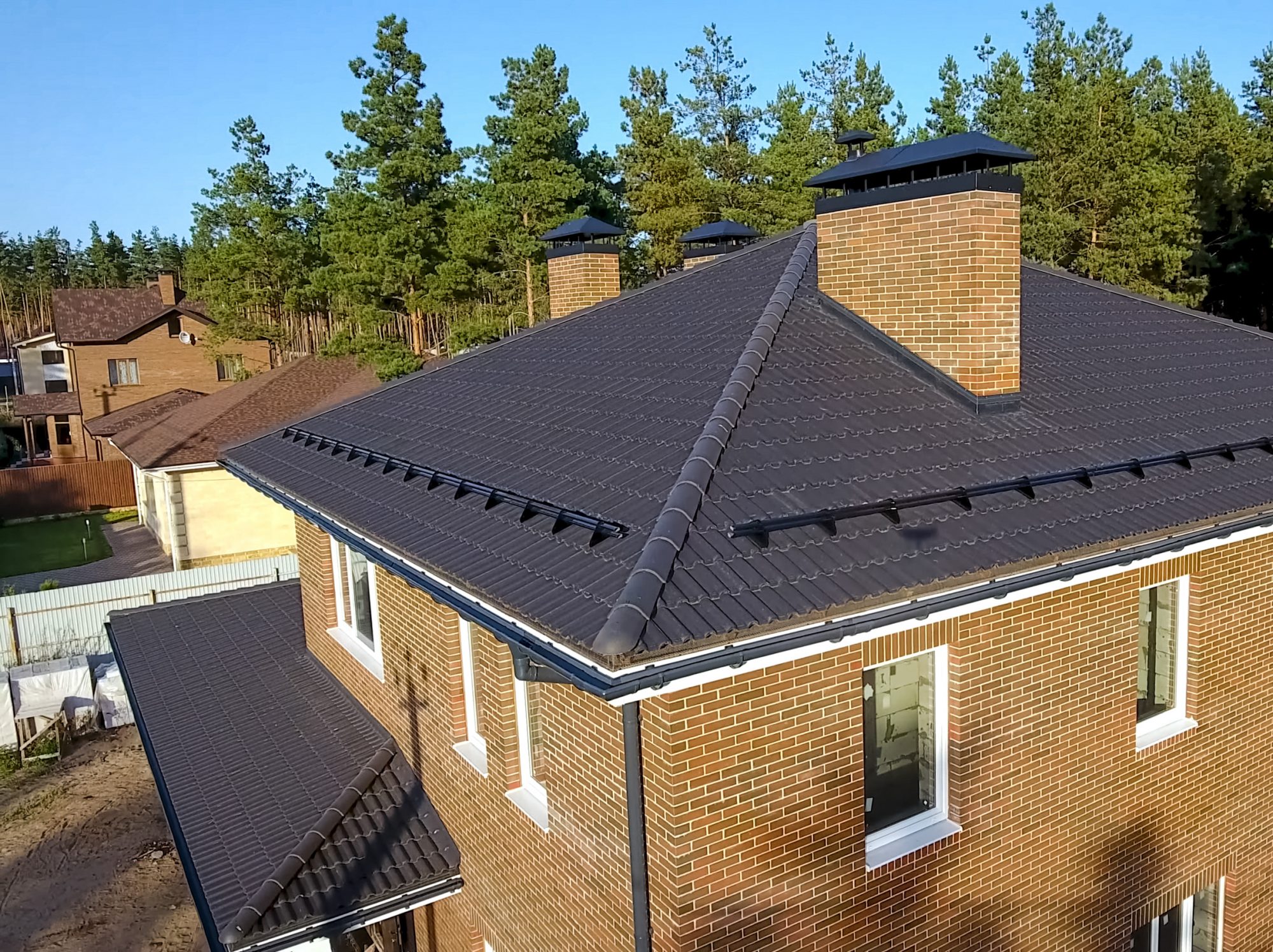
Synthetic Spanish roof tiles are available in profiles that create different depths, shadows, and rhythms across a roof. Some resemble broad barrel tile, while others produce a tighter S-shaped pattern. The profile should suit the scale of the building rather than overwhelm it. A large, steep roof can carry deeper relief, but a smaller facade may look better with a restrained pattern. Viewing full-size samples from the street is more useful than judging a small color chip indoors.
Roof geometry also affects how a profile appears. Hips, valleys, dormers, turrets, and short roof planes can interrupt the pattern or create crowded cuts. Before selecting a product, ask the installer to explain how the courses will align around those features. A visually attractive tile can still look disorganized when layout decisions are made during installation instead of during planning. Good design begins with module dimensions, exposure, and realistic placement across the actual roof.
Match Color Blends to Exterior Materials
Warm red and terracotta shades are familiar, but they are not the only option. Synthetic Spanish roof tiles may include brown, charcoal, weathered, or mixed blends that relate differently to brick, limestone, stucco, painted siding, and trim. The roof should connect with permanent materials first because paint colors can change more easily than masonry or stone.
Samples should be examined outdoors at several times of day. Bright sun may emphasize orange tones, while shade can make the same product appear darker or flatter. Place samples near the wall, gutters, and metal accents. This simple exercise helps owners avoid choosing a dramatic color that photographs well but conflicts with the home when installed across thousands of square feet.
Review Ratings, Warranty, and Climate Suitability
Appearance is only one part of selection. Ask for published information about impact resistance, wind performance, fire classification, temperature range, and warranty coverage. St. Louis experiences hail, strong storms, humid summers, winter freezes, and rapid temperature changes. A product should be evaluated for those conditions instead of chosen because it resembles traditional tile in a brochure.
Warranty language also deserves careful reading. Coverage may depend on approved underlayment, ventilation, fasteners, roof slope, installer qualifications, or registration deadlines. Some warranties focus on manufacturing defects rather than labor or storm damage. Knowing those limits before purchase helps the owner compare real protection rather than relying on a headline number that may not describe every part of the roof system.
Plan the Details Beyond the Field Tile
A Spanish-style roof depends on more than repeated tile courses. Ridge pieces, hip caps, valleys, sidewalls, vents, chimneys, skylights, and edge treatments can strengthen or weaken the finished appearance. Ask to see how the chosen system handles each condition. Generic metal or poorly coordinated accessories can distract from an otherwise convincing roof and may introduce avoidable water-management problems.
The underlayment and flashing plan should be discussed at the same time as color and profile. Water must move beneath and around complex roof areas even when the visible surface looks perfect. Proper deck preparation, starter details, fastening, and ventilation give synthetic Spanish roof tiles the support they need. Those concealed choices often determine whether the roof remains dependable after the novelty of the new appearance fades.
Final Questions Before Ordering Synthetic Spanish Roof Tiles
Confirm the exact manufacturer, product line, blend, profile, exposure, accessory package, and estimated quantity before materials are ordered. Request a written explanation of substitutions in case a component becomes unavailable. Owners should also keep spare pieces after installation, stored according to the manufacturer’s recommendations, so future work does not begin with an urgent search for a discontinued match.
Finally, compare contractors by the clarity of their planning rather than the lowest total alone. A detailed proposal should identify roof preparation, protection of landscaping, staging, ventilation, flashing, waste removal, and cleanup. Synthetic Spanish roof tiles create a strong architectural statement, so careful design and installation should be treated as one coordinated decision from the beginning.