
Why a Clay Roof Requires Structural Review
A clay roof can weigh substantially more than common asphalt systems, so the existing house should be evaluated before materials are selected. The review may include rafters or trusses, spans, bearing walls, connections, decking, prior alterations, and visible signs of movement. Older St. Louis homes often contain additions or remodeled areas built at different times. Those sections may not carry loads uniformly, even when the roof appears straight from the street.
A roofer can identify surface conditions, but unusual framing questions may require input from a structural engineer. That distinction is important because installation decisions should not be based on assumptions about age, style, or past performance. A house that once carried heavy material may have experienced decay, cuts, fire damage, or poorly planned renovations. Confirming capacity early prevents an attractive roofing choice from becoming an expensive structural problem later.
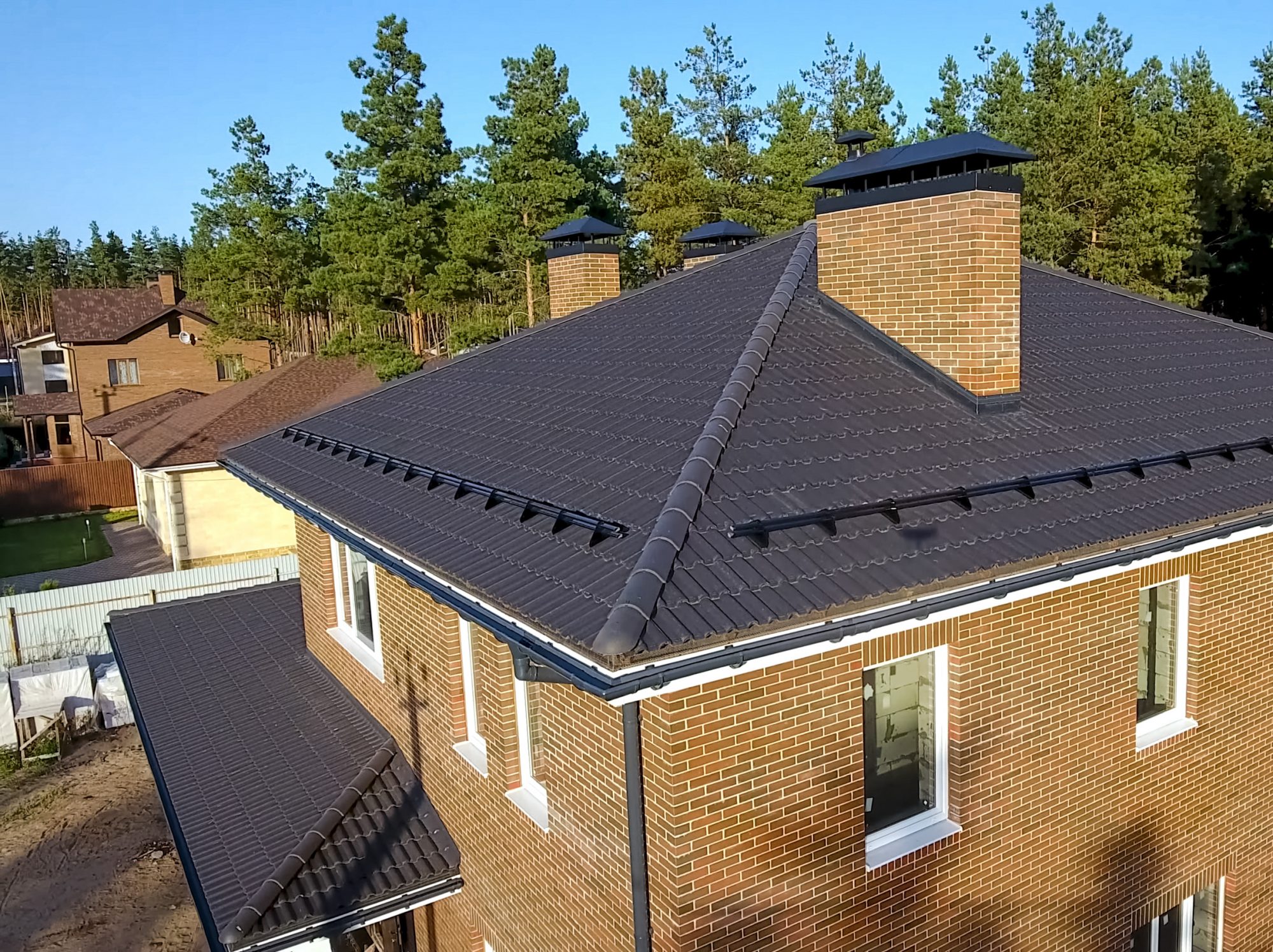
Roof Decking, Slope, and Existing Conditions
Deck condition influences both support and attachment. Soft wood, delamination, uneven boards, moisture staining, or repeated patching may require replacement before a clay roof is installed. The contractor should also document slope because tile systems have minimum requirements for water shedding and underlayment. Low-slope areas, porch roofs, or transitions may need a different material or specially designed waterproofing approach.
Existing layers must be considered as well. Leaving old roofing in place can add weight, conceal damage, and complicate fastening. A full tear-off allows the crew to inspect the deck and correct weak areas, but it changes cost and scheduling. The proposal should state what is included if hidden deterioration appears after removal, rather than leaving structural repairs as an undefined surprise.
Reinforcement and Load-Path Questions
When reinforcement is necessary, the solution depends on where loads travel through the building. Adding lumber beside a rafter may not help if connections, beams, walls, or foundations are the actual limitation. Engineering details should explain how new members transfer weight to reliable bearing points. This is especially relevant around wide rooms, vaulted ceilings, dormers, and additions where framing may differ from the original house.
Owners should also consider concentrated loads from stacked materials during construction. Tile pallets cannot simply be placed wherever convenient on the roof. Delivery, staging, and distribution should be planned to protect both the structure and landscaping. A contractor experienced with heavy roofing will treat temporary construction loads as carefully as the permanent finished assembly.
When Synthetic Tile May Be the Better Fit
A lighter synthetic system can provide a clay-inspired appearance when traditional material would require extensive reinforcement. This option may reduce structural intervention, simplify handling, and limit breakage during installation. It can be particularly useful on homes where owners want Spanish or barrel-tile character but do not want to alter interior finishes or framing to carry a much heavier covering.
Synthetic tile still requires a sound deck, compatible underlayment, correct fastening, and proper flashing. Lower weight does not excuse weak preparation or poor workmanship. Ask for exact product weights and installation requirements so the comparison is based on real specifications. A synthetic alternative should be chosen because it fits the building and performance goals, not merely because it is easier to install.
Deciding Whether a Clay Roof Is Practical
Start with an inspection that separates cosmetic preference from structural facts. Obtain written findings, photographs, and clear recommendations for repairs or engineering review. If reinforcement is proposed, ask how it affects ceilings, attic access, insulation, mechanical systems, and project timing. These secondary impacts can influence the budget as much as the tile itself.
A clay roof can be an excellent architectural investment when the house is ready to support it. Where structure, slope, or cost make traditional tile impractical, synthetic clay products can offer a credible alternative. Every clay roof decision should be supported by documented structural findings. The best decision comes from coordinated planning among the owner, roofer, and engineer before demolition begins or materials arrive on site.