
How Clay Roof Tiles Compare in Weight and Structure
Clay roof tiles create a distinctive profile, but their weight changes the planning process before installation begins. A contractor must evaluate framing, decking, slope, and existing structural conditions rather than treating the project like a standard shingle replacement. On older St. Louis homes, that review may reveal reinforcement needs around long spans, additions, or remodeled sections. The roof covering is only one part of the decision; the building must carry it safely for decades.
Synthetic clay products generally place less demand on the structure while preserving the curved or terracotta-inspired appearance many owners want. Lower weight can simplify reroofing on homes that were never designed for traditional tile loads. It may also reduce the amount of structural work required before installation. However, product specifications still matter, so the installer should confirm deck requirements, fastening patterns, and manufacturer guidance instead of assuming every synthetic system performs the same way.
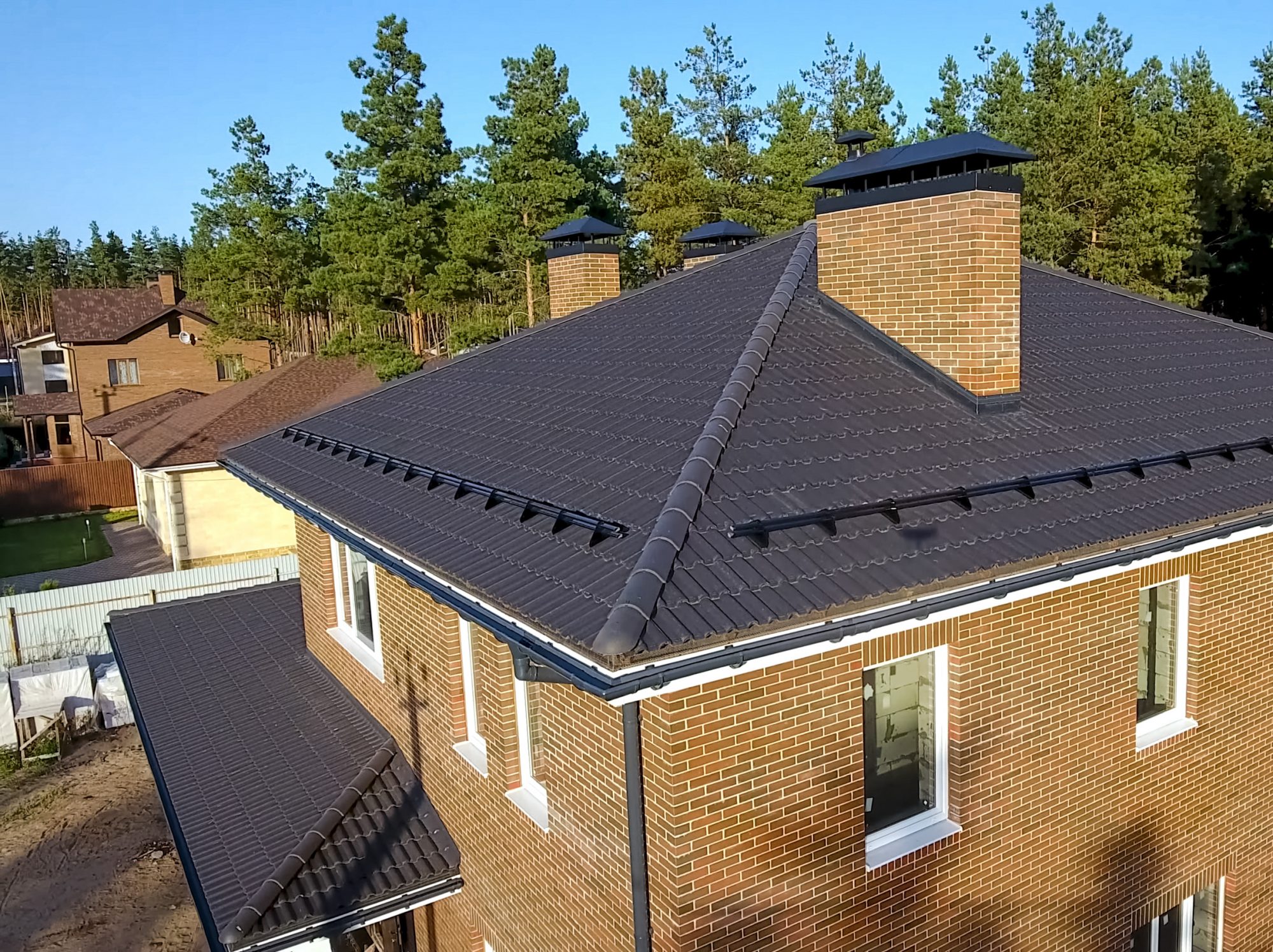
Weather Performance of Clay Roof Tiles in St. Louis
St. Louis weather can expose brittle materials to repeated stress. Heat, hail, wind, heavy rain, and freeze-thaw cycles may loosen or crack individual pieces, especially where foot traffic or prior repairs have weakened the field. Clay roof tiles can perform for many years, but damaged pieces need prompt attention because water may travel beneath surrounding courses before a leak becomes visible indoors.
Synthetic tile is engineered to resist common impact and cracking concerns, although performance varies by manufacturer and product line. Property owners should compare published ratings, warranty terms, and installation requirements. A strong material can still fail when valleys, flashings, penetrations, or fasteners are handled poorly, so workmanship remains just as important as the surface product chosen for the project.
Appearance, Color Variation, and Architectural Fit
Natural clay develops visual character through shape, firing, texture, and subtle color differences. That irregularity can complement Mediterranean, Spanish Revival, Mission, and certain historic designs. Synthetic options can imitate those features with blended colors and molded profiles, but samples should be reviewed on the actual property. Sunlight, brick, stone, stucco, trim, and roof pitch all influence whether the finished roof feels authentic or overly uniform.
Homeowners should also consider how replacement pieces will look years later. Natural clay profiles may become difficult to match when a manufacturer changes production or an older tile is discontinued. Synthetic systems can offer more consistent replacement options, but product availability is not guaranteed forever. Recording the manufacturer, line, color blend, and installation details makes future maintenance easier for either type of roof.
Maintenance and Long-Term Cost Considerations
The initial proposal should separate material cost from structural preparation, tear-off, underlayment, flashing, access, and specialty labor. Clay roof tiles may last a long time, yet repairs can become expensive when matching pieces are scarce or fragile areas limit safe movement. Owners should budget for inspections after severe storms and for periodic attention around chimneys, valleys, sidewalls, and roof openings.
Synthetic clay tile may reduce some breakage and maintenance concerns, but it is not maintenance-free. Debris can still collect, sealants can age, metal details can corrode, and storm damage can affect exposed areas. The best value comes from a complete roof system installed correctly, not from choosing a surface material solely because it is advertised as durable or economical.
Choosing Between Clay Roof Tiles and Synthetic Alternatives
The right choice depends on the building, design goals, budget, and tolerance for future upkeep. Owners preserving a historically significant roof may prioritize genuine material and traditional detailing. Others may value a lighter assembly, easier replacement planning, and reduced breakage risk. A site-specific inspection helps distinguish aesthetic preference from structural reality before money is committed to a full roofing project.
Ask contractors to provide product data, photographs of comparable work, installation details, and clear exclusions. The proposal should explain what happens at transitions, ridges, valleys, penetrations, and roof edges. When those details are addressed early, clay roof tiles and synthetic alternatives can be compared on equal terms rather than through appearance or price alone.