
What Synthetic Roofing Is Designed to Replicate
Synthetic roofing uses engineered materials to recreate the appearance of premium natural products such as stone slate, cedar shake, and clay tile. The goal is not simply to print a pattern on a lightweight shingle. Better products use molded texture, varied edges, thickness, color blending, and coordinated accessories to produce depth from the street. Each category has its own visual language, so buyers should decide which architectural character suits the property before comparing manufacturers.
The term covers many formulations and product lines, which means performance cannot be assumed from the category name alone. Composition, testing, warranty, installation method, and approved accessories may differ substantially. Owners should request technical documents for the exact product being proposed. That information makes it possible to compare weight, impact resistance, fire rating, wind requirements, color options, and limitations without relying on broad claims about all composite materials.
Synthetic Slate for Refined Rooflines
Synthetic slate is shaped to resemble quarried stone with layered edges and subtle surface variation. It works well on steep roofs, formal homes, institutional buildings, and properties where a clean, durable roofline is important. Layout should avoid obvious repeating patterns, and mixed widths or colors may be used to create a more natural appearance depending on the product.
Compared with natural slate, synthetic roofing in a slate profile usually places less weight on the structure and is easier to cut around complex details. Even so, deck condition, underlayment, flashing, ventilation, and fastening remain critical. Owners should examine completed projects from normal viewing distance because texture that looks realistic in a sample may appear flat when repeated across a large roof.
Synthetic Shake for Warm, Textured Architecture
Synthetic shake products imitate split or sawn cedar with irregular butt lines and wood-grain texture. They can complement Craftsman, Tudor, cottage, rustic, and upscale suburban designs. Color selection matters because overly uniform brown can look artificial, while a balanced blend can create the variation associated with weathered wood. Ridge and hip pieces should continue the same dimensional character.
Natural cedar can split, curl, absorb moisture, attract insects, and require periodic treatment depending on conditions. Synthetic alternatives are selected by owners who want the look with fewer material-related concerns. However, roof valleys, wall intersections, ventilation, and drainage still require maintenance. Choosing a composite shake does not eliminate the need for inspections after major storms or for careful installation around vulnerable transitions.
Synthetic Tile for Spanish and Clay-Inspired Styles
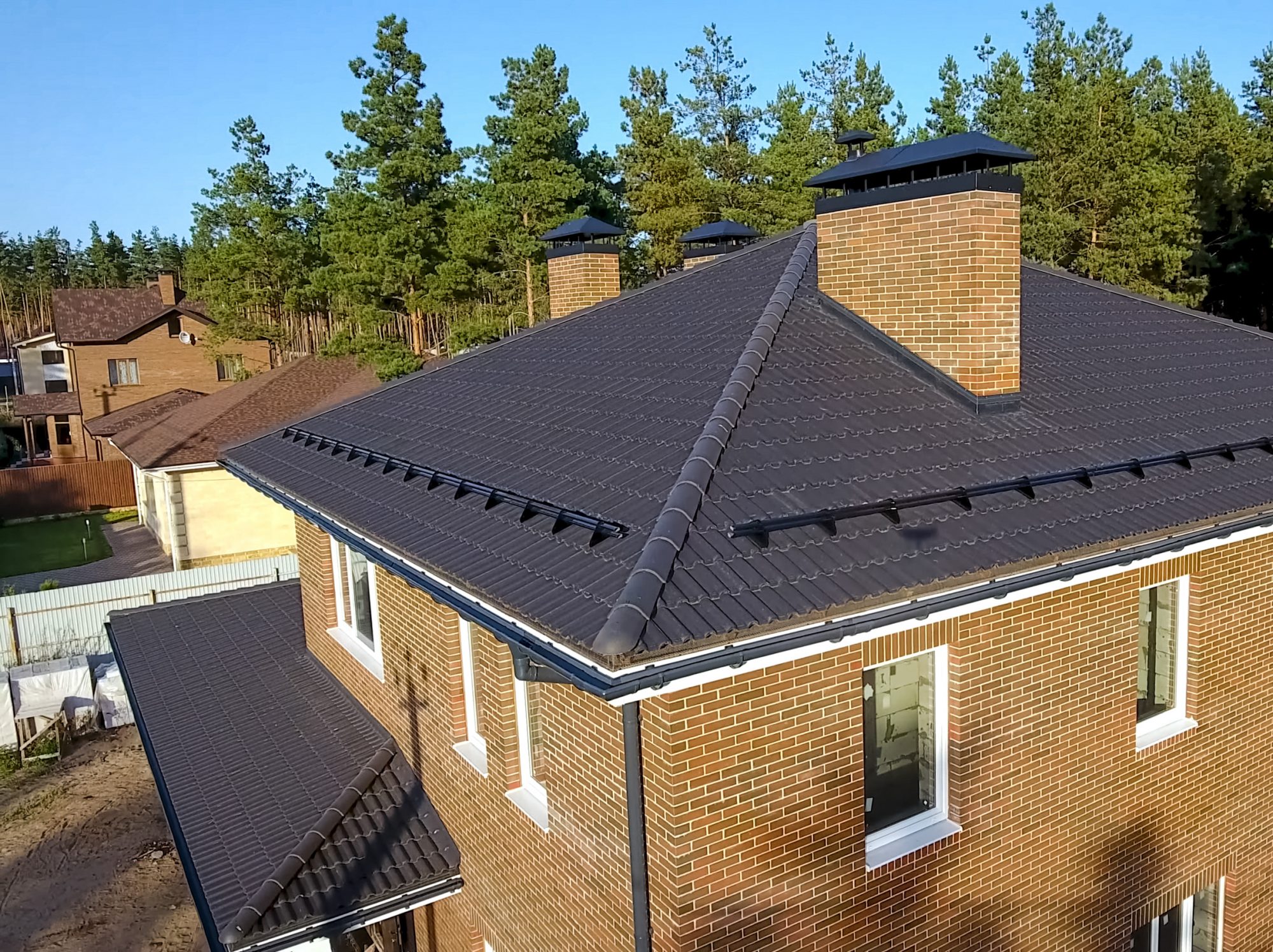
Synthetic tile includes barrel, S-tile, terracotta, and other clay-inspired profiles. These products can create strong shadows and a distinctive roof silhouette without the structural demand of many traditional tile systems. They pair especially well with stucco, brick, stone, arched openings, and Mediterranean details, but the profile must match the scale of the building to avoid looking oversized.
Color and accessory planning are essential because tile-style roofs attract attention. Hip caps, ridges, edge treatments, valleys, and metalwork should feel integrated rather than added afterward. Samples should be viewed outdoors against permanent exterior materials. Synthetic roofing can provide convincing clay character, but the final result depends on thoughtful layout and compatible details as much as the molded field pieces.
Choosing and Installing Synthetic Roofing Successfully
Begin with architecture and project goals, then compare specific products for ratings, weight, warranty, availability, and installation requirements. Ask contractors to identify the manufacturer and line instead of writing only “composite roof” in the proposal. Clarify deck repairs, underlayment, flashing, ventilation, fasteners, accessories, tear-off, staging, protection, cleanup, and documentation before selecting a bid.
A successful project treats synthetic roofing as a complete assembly rather than a decorative surface. Slate, shake, and tile profiles solve different design problems, but all depend on water management and disciplined workmanship. When the chosen style fits the building and the concealed details are properly planned, synthetic materials can deliver premium character with practical advantages for St. Louis properties.