
Barrel and Mission Clay Roofing Tiles
Barrel and mission clay roofing tiles create the deep curves associated with Mediterranean and Spanish-influenced architecture. Traditional mission systems often use separate curved pieces arranged as pans and covers, producing strong shadow lines and visible craftsmanship. Their shape can make a broad roof feel more textured and substantial. Because the pieces overlap in a distinctive way, layout, fastening, mortar traditions, and water control must be understood before an older system is repaired or replaced.
Synthetic alternatives can reproduce the rounded appearance with molded components that are lighter and less brittle. Some products combine the visual effect into a simpler installation format, while others use separate accessory pieces to preserve a more traditional look. The best match depends on roof pitch, building scale, and the desired level of historical accuracy. Owners should compare installed examples because close-up product images do not show how repeating curves read from the ground.
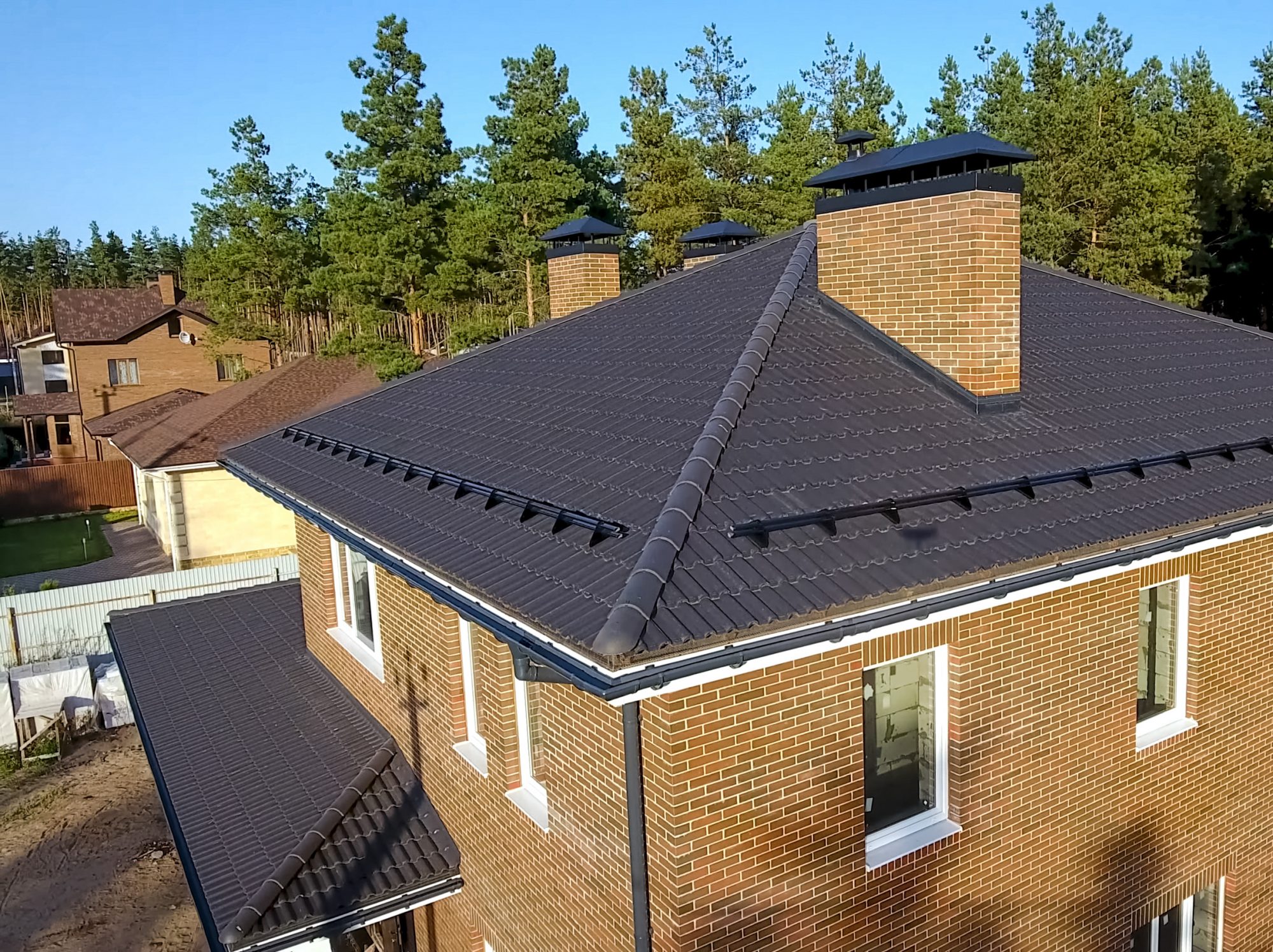
S-Tile and Spanish-Style Profiles
S-shaped clay roofing tiles combine a raised curve and lower channel within one piece. The pattern creates alternating highlights and shadows while directing water down the roof. This profile is common on homes that need a recognizable tile appearance without the separate pan-and-cover arrangement of mission systems. Consistent alignment is important because small layout errors can become highly visible across long roof planes.
Synthetic S-tile products aim to preserve that flowing pattern while reducing weight and breakage concerns. Product dimensions vary, so the installer should calculate exposure and course spacing before work begins. Owners should also review matching ridge, hip, and edge components. A field tile may look convincing, yet mismatched accessories can make the finished roof feel less cohesive or historically appropriate.
Flat, Shingle, and Interlocking Tile Designs
Not all clay roofing tiles are deeply curved. Flat clay pieces can resemble thick shingles and may suit Tudor, European, Arts and Crafts, or contemporary buildings. Interlocking designs use shaped edges to improve alignment and water shedding while reducing the number of separate pieces. These profiles often create a quieter roof surface, allowing masonry, windows, and architectural details to carry more visual attention.
Synthetic flat-tile and slate-inspired products can serve similar design goals with lower structural demand. The distinction between synthetic clay, synthetic slate, and composite shingle profiles can become blurred, so owners should focus on the finished texture rather than the marketing label. Comparing edge thickness, surface variation, butt lines, and color blending helps determine whether a product looks dimensional or overly repetitive.
Color, Finish, and Manufacturing Differences
Natural clay color may come from the body of the material, surface treatments, glazing, or firing conditions. Red, orange, brown, buff, gray, and multicolored finishes can produce very different results. Glazed tile may appear more formal or reflective, while unglazed pieces often show softer variation. Availability and replacement matching should be considered, especially when a roof uses a specialized imported profile.
Synthetic products create color through pigments, blends, and molded texture. They may provide more consistent batches, but excessive uniformity can reduce the natural effect. Ask how many color variations are included and how installers distribute them. A planned blend can avoid obvious patches or stripes. Clay roofing tiles and synthetic versions both depend on thoughtful layout to achieve a balanced, intentional roof surface.
Selecting Clay Roofing Tiles or a Synthetic Match
Begin with the architecture, then evaluate structure, climate exposure, maintenance expectations, and budget. A historic restoration may require genuine material, salvage matching, or approval from a local commission. A newer home may achieve the intended character with a synthetic system that is easier to support and maintain. Neither choice should be made from appearance alone because the roof assembly must function as well as it looks.
Request technical data and full installation details for the exact product under consideration. Confirm deck requirements, slope limitations, underlayment, ventilation, fastening, flashing, and accessory availability. When those questions are answered, owners can compare clay roofing tiles and synthetic alternatives by performance, authenticity, and long-term serviceability rather than by a single sample or sales claim.